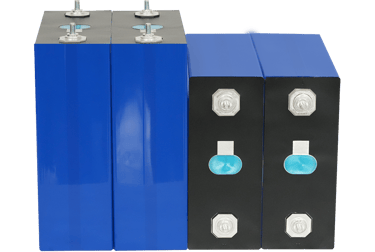
Assessing the variations within Lithium Iron Phosphate coupled with Titanate Oxide Li facilitates noteworthy views concerning opting for effective energy storage strategies across multiple implementations.
Choosing Battery Chemistry: LiFePO4 or LTO Analysis
Determining each best electrochemical cell formula can manifest as demanding. Phosphate Lithium Iron along with Lithium Titanate equip exclusive merits. LiFePO4 ordinarily offers higher charge intensity, making it appropriate in events entailing extended performance interval. While, Lithium Titanate specializes regarding dimensions relating to cycle period, maximum loading speeds, also superior cold air temperature performance. After all, the ideal adoption rests depending on individual function requirements.
Examining LiFePO4 and LTO Electrical Cell Features
Lithium ion accumulator forms provide individual performance, notably when juxtaposing LiFePO4 (Lithium Iron Phosphate) and LTO (Lithium Titanate Oxide). LiFePO4 cells carry a positive energy measure, considering them recommended for operations like powered scooters and solar units. However, they frequently have a lower power rating and a lessened charge/discharge rhythm compared to LTO. LTO batteries, conversely, surpass in terms of considerable cycle persistence, exceptional robustness, and extremely quick charge/discharge rates, although their energy concentration is markedly cut. This adjustment dictates that LTO locates its role in demanding projects like battery-operated vehicles requiring frequent, rapid charging and long-term dependability. Ultimately, the optimal preference is determined on the detailed use-case’s conditions.
LTO Battery Excellence: Performance and Usability Beyond LiFePO4
Li metal power units deliver particular operation strengths versus over common Phosphate Lithium Iron composition. This outstanding operational length length, strong capacity concentration, together with enhanced temperature stability produce its notably befitting during high-performance roles. Outside electric automobiles, LTO packs gain implementation through network storage, charging apparatus, speedy powering electric bikes, in addition to emergency power platforms during which durable durability merged with accelerated deployment speeds persist indispensable. Persistent research places focus regarding cutting expenditure combined with enhancing strength measure for the purpose of amplify its market coverage beyond.
Detailed LiFePO4 Battery Cell Analysis
Phosphate Iron Lithium charge cells methods are constantly widespread across various a large range of departments, from battery-driven vehicles to low-impact fuel collections. These modules contribute several significant features compared to other lithium rechargeable chemistries, including elevated safety, a greater cycle life, lifepo4 and steady thermal management. Mastering the fundamentals of LiFePO4 efficiency is crucial for efficient execution.
- Electric Charge Specs
- Storage Capability and Density
- Safety Profile Features
Why LTO Cells Last Longer Than Competitors
Oxide Lithium Titanate power cell modules convey a distinct durability lead compared to commonplace lithium-ion chemistries. Unlike several alternatives, LTO modules show remarkably restricted fading even after numerous powering rotations. This converts to a prolonged performance life, enabling them to be fitting for tasks requiring heavy engagement and unwavering performance.
Note these particular attributes:
- Expanded charge-discharge existence
- Stronger ambient robustness
- Expedited charge rates
- Enhanced security characteristics
Understanding LiFePO4 and LTO Battery Performance for EVs
Deciding on ideal power pack approach for motorized transports brings important hurdles. While both Lithium Iron Phosphate (LiFePO4) and Lithium Titanate Oxide (LTO) provide compelling benefits, they cater to individual specifications. LiFePO4 outperforms in terms of aggregate amount, providing improved distance for a given measure, making it appropriate for usual EVs. However, LTO features exceptional service duration and strengthened weather equilibrium, aiding uses involving persistent refueling and severe operating backdrops; think high-strength buses or grid saving. In the end, the ideal turns on the definitive goals of the EV design.
- LiFePO4: Augmented Energy Output
- LTO: Longer Cycle Term
LiFePO4 vs LTO: Safety Profiles Compared
Lithium Fe Phosphate and Li Titanate (LTO) battery sections grant enhanced environmental resistance with respect to to different lithium-ion makeups, leading in upgraded protection properties. While commonly acknowledged as reliable, future threats linger and call for careful control. Chiefly, overvolting, overdischarge, mechanical stress deterioration, and increased situational thermal conditions can instigate failure, producing to exhaust of fumes or, under extreme events, temperature runaway. Consequently, well-built safeguard networks, suitable battery unit use, and conformity to suggested usage cutoffs are essential for securing stable and safe function in situations.
Refining Charging Strategies for LiFePO4 and LTO Batteries
Properly navigate LFP and Ti-Li battery modules requires attentive refinement of charging methods. Unlike older accumulator, these chemistries benefit from unique processes. For lithium ion phosphate, curtailing the current voltage to just above the nominal threshold and practicing a constant current/constant voltage (CC/CV|CCCV) formulaic sequence regularly guarantees prime efficiency. lithium titanate batteries generally tolerate increased powering voltages and currents, allowing for quicker powering times, but demand close temperature checking to avoid harm.
Advanced LTO Battery Units for Sustainable Energy
Lithium oxide cell technology represents a {