Commencing
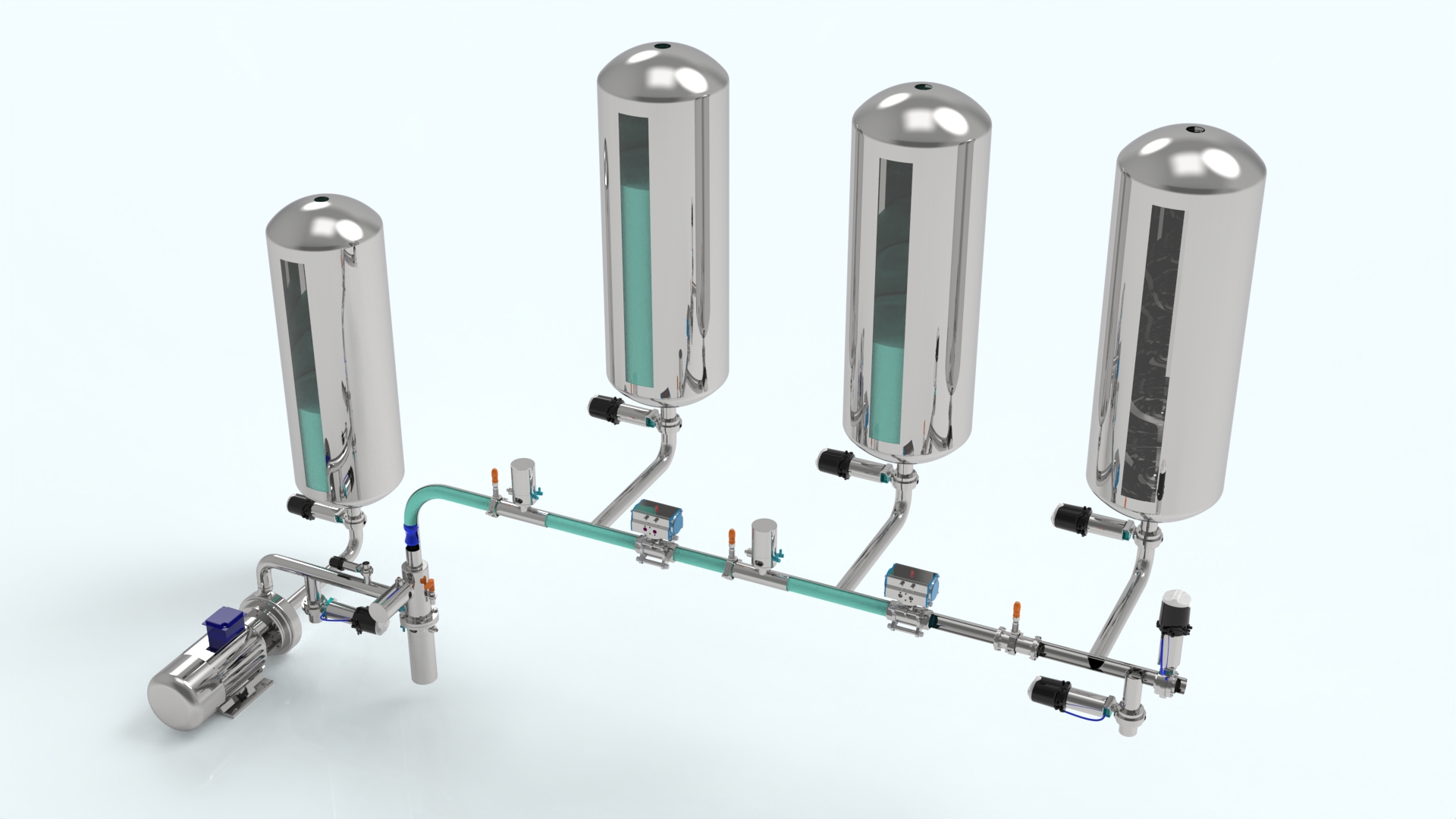
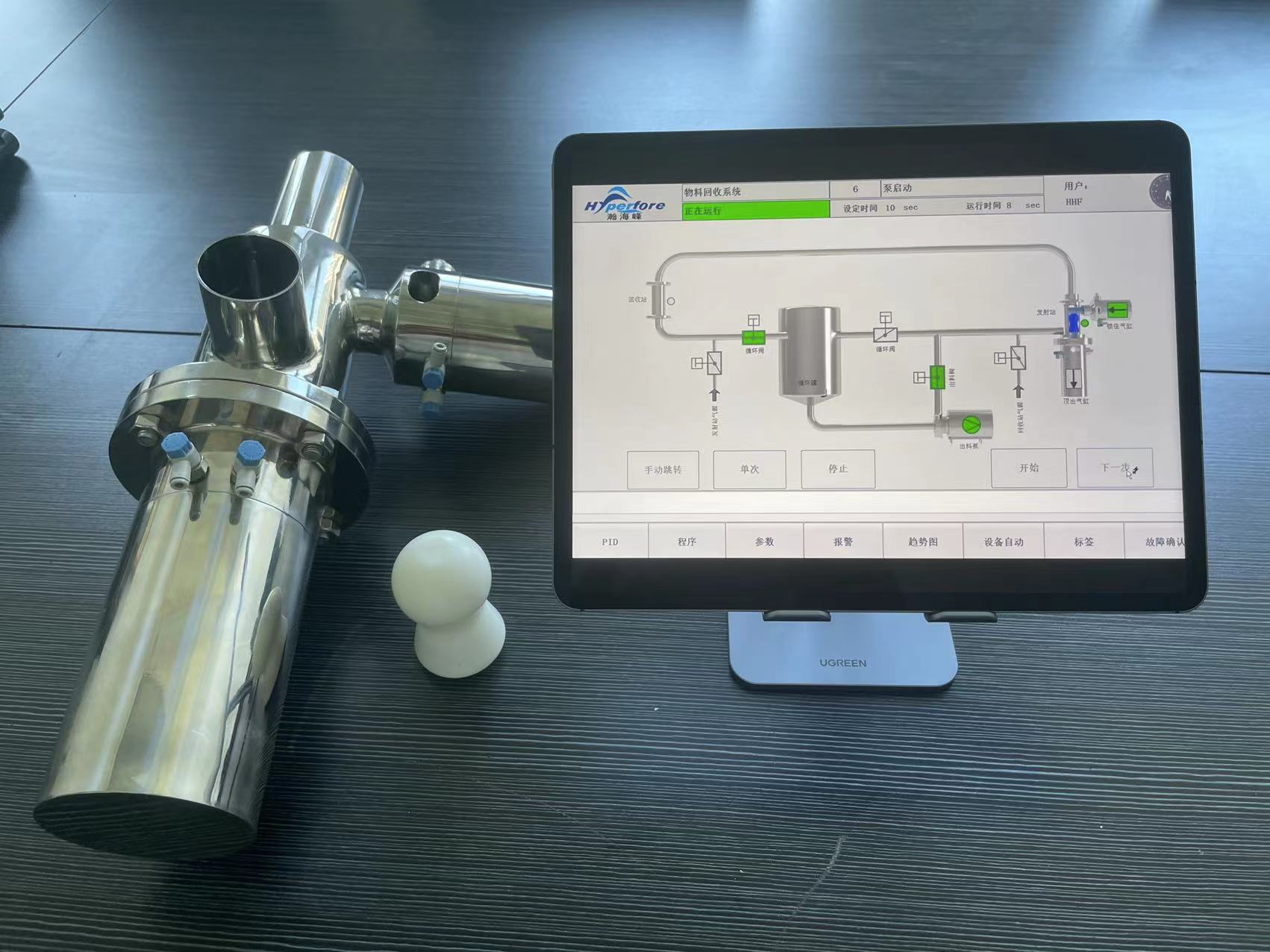
Automatic pipeline maintenance applications supply a substantial asset over physical techniques for protecting the soundness of pipelines. These progressive technologies expedite the function of propelling a "pig" – a engineered device – through the conduit to eradicate deposits like mineral build-up, erosion, and impediments. By reducing downtime and maximizing operational capacity, automatic pigging systems constitute a crucial investment for markets relying on conduit transportation of compounds.
Sanitary Flushing : Confirming Line Cleanness in Beverage Trade
Preserving impeccable spotlessness within food & beverage fabrication facilities is necessary, particularly when it comes to conduits used for transferring liquids. Pristine scrubbing offers a effective solution. This customized technique involves inserting a unit – often a cylindrical device – into the duct to wash out residue, including microbes, and recover consistent sanitation. Benefits include curtailed threat of infection, boosted commodity quality, and heightened working productivity. Considerations for use include implement structure compatibility with the item and pipe design.
- Mitigates contamination potential.
- Upgrades output value.
- Increases production performance.
Line Operations: Enhancing Performance and Cutting Excess
Cleaning techniques offer a remarkable increase in channel workflow for various enterprises, particularly within the mining and chemical sectors. By sending a “pig,” a custom-designed tool, through the lines, residue are cleared, maintaining throughput and preventing product wastage. This leads to a diminished expense and a more environmentally-friendly method to asset management.
The Future of Pipelines: Evaluating Smart Pigging Approaches
Such path concerning pipeline control is increasingly being influenced by automatic pigging mechanisms. Traditionally, pigging routines have rested on hand-operated intervention, but the introduction into autonomous pigs promises amplified efficiency, diminished downtime, and upgraded safety. These state-of-the-art systems employ sensors, figures, and digital intelligence to inspect pipelines automatically, tracing imperfections and conducting removal tasks with unmatched precision. Projecting widespread use, automatic pigging represents a key step heading to a more stable pipeline system globally.
Pristine Scrubbing vs. Handheld Sterilization
Guarding conduit soundness within the culinary industry presents a considerable challenge. Historically, labor-intensive washing has been the routine method, relying on employees to directly take away debris and buildup. However, this approach is effortful, vulnerable to inconsistencies, and can be difficult to fully validate. Sanitized swabbing, on the other hand, offers a new alternative. This system utilizes a mechanism propelled through the pipe to displace deposits, providing a faster and stable flushing process. Key separations include:
- Financial investment: Human washing often involves heavy labor expenses, while purging has early investment minimized overall expenses.
- Performance: Clearing usually offers augmented effectiveness compared to physical practices.
- Confirmation: Verifying the completeness of cleansing is convenient with cleaning due to recording capabilities.
- Harmlessness: Laborious cleansing can expose assistants to dangerous conditions, whereas scrubbing mitigates this risk.
Establishing an Self-operating Pigging Approach: Proven Methods
Skillfully rolling out an automatic pigging solution requires comprehensive coordination and adherence to recommended best methods. At the outset, execute a complete study of your pipeline to identify the distinct difficulties requiring scrubbing. This accounts for assessing the type of scale, the area of impediments, and the total quality of the hardware. Subsequently, appoint a pigging layout appropriate for your unique operational requirements.
Moreover, focus on extensive coaching for employees taking part in the management activity. This requires include coaching on proper employment of the tools and comprehension of critical measures.
- Commonly review the tool and related elements for wear.
- Create a robust maintenance roster.
- Register all scrubbing performance and linked metrics.
- Assess the effect on pipework power and item condition.
In closing, continuous monitoring and modification of the process plan are vital for maximizing functionality and boosting the pipeline network’s working duration.
Correcting Ordinary Complications in Sanitary Clearing Arrangements
Reliable operation of sanitary pigging mechanisms often required proactive assessment. Regularly, blockages triggered by residue buildup are observed, which is capable of be remedied through thorough inspection via appropriate instruments. Likewise, flow limitations suggest impaired sealing components or internal damage. Scheduled support, including scraper taking off and thorough survey of line form, is crucial to cut halting and keep maximum capability.
Self-operating Clearing Processes for Operational Pipework
Intelligent flushing offers substantial values for manufacturing tubes, significantly boosting operational capability. The solution provides a assortment of upsides, including reduced breaks, minimized tending expenditures, and improved item quality.
- Decreased line shortfall leading to utility efficiencies.
- Enhanced pipeline reliability, stopping fouling.
- Improved output by scraping deposits.
- Strengthened security for employees and the milieu.
Reduced Expenses with Sanitized and Automated Clearing Systems
Implementing hygienic and automatic pigging system motorized flushing platforms offers substantial expenditure diminutions for pipeline operators. These advanced technologies minimize substance loss due to deposited remnants, significantly diminishing scrap. Beyond output recovery, clearing solutions reduce the frequency of scheduled pipeline shutdowns for servicing, translating to greater throughput. Furthermore, the cut need for hands-on work and solvent use further supports the overall monetary advantage of your activity.
- Curtailed Item Loss
- Improved Functional Capacity
- Curtailled Personnel Input Charges