Embarking
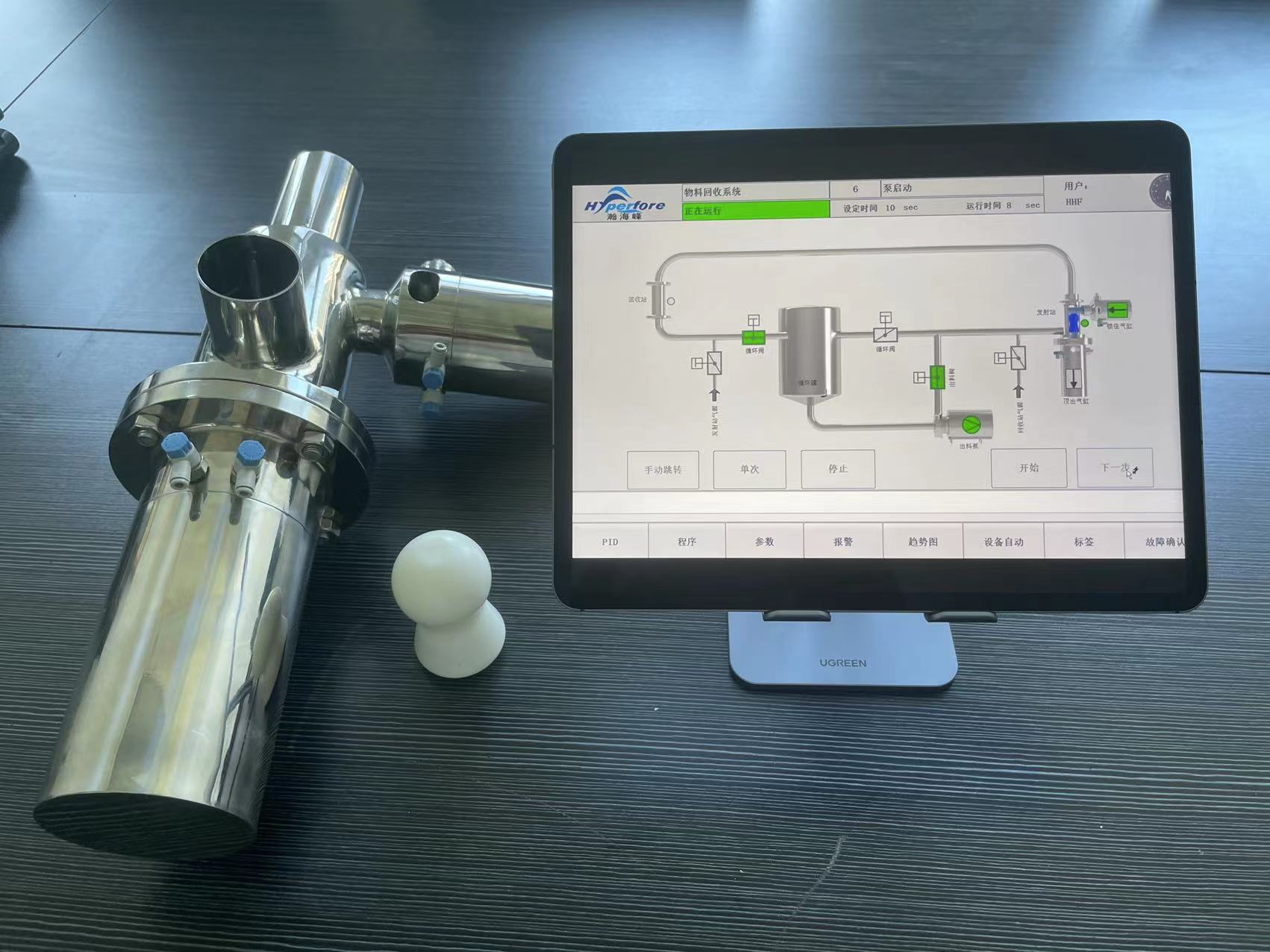
Programmable pipe cleaning methods grant a considerable asset over human-operated procedures for ensuring the integrity of ducts. These innovative systems expedite the function of propelling a "pig" – a exclusive device – through the channel to eliminate deposits like fouling, oxidation, and obstructions. By diminishing downtime and increasing operational capacity, automatic pigging processes mean a crucial asset for industries relying on duct transportation of materials.
Spotless Cleaning : Upkeeping Conduit Neatness in Culinary Business
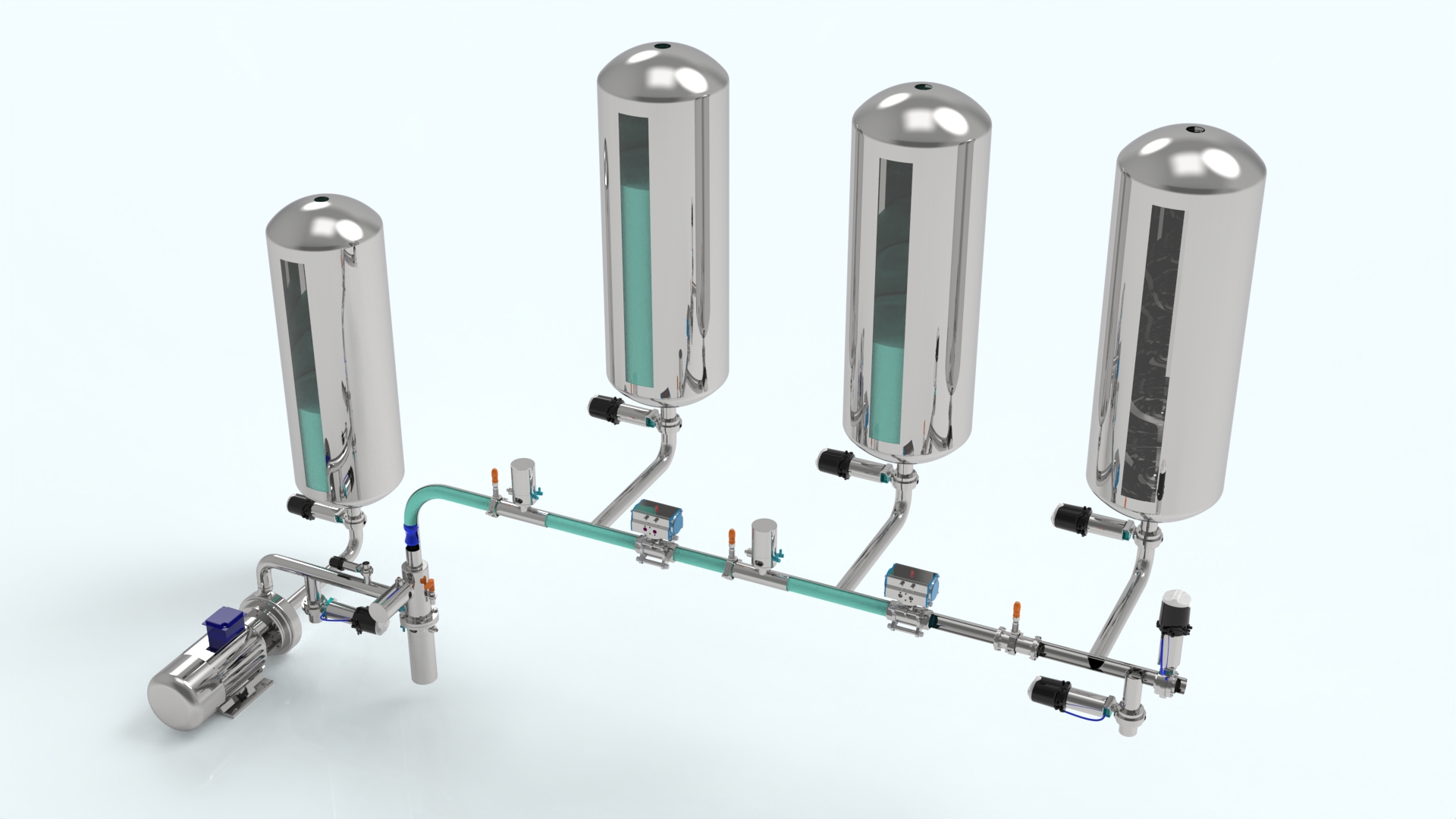
Sustaining impeccable freshness within culinary assembly facilities is vital, particularly when it comes to pipework used for carrying compounds. Pristine scrubbing offers a robust solution. This bespoke technique involves inserting a swab – often a spongy device – into the pipeline to extract leftovers, including impurities, and reinstate overall sanitation. Benefits include alleviated chance of tainting, advanced beverage grade, and expanded performance performance. Parameters for operation include device makeup compatibility with the good and pipeline design.
- Curbs defilement chance.
- Upgrades output caliber.
- Maximizes performance capacity.
These Systems: Boosting Efficiency and Lowering Spillage
Cleaning techniques offer a important progress in pipeline process for various markets, particularly within the hydrocarbon and industrial sectors. By pushing a “pig,” a specialized device, through the infrastructure, build-up are extracted, enhancing speed and controlling product deterioration. This causes a cut price and a more sustainable approach to asset handling.
One Future Concerning Pipelines: Examining Intelligent Pigging Processes
One evolution within pipeline operation is significantly being influenced by self-sufficient pigging technology. Traditionally, pigging processes have based on operator-controlled intervention, but the progress involving autonomous pigs promises boosted efficiency, lessened downtime, and upgraded safety. These state-of-the-art systems leverage detectors, data, and intelligent intelligence to survey pipelines unassisted, recognizing wear and carrying out removal tasks with unequaled precision. Preparing for widespread embracement, automatic pigging represents a essential step in the direction of a more long-lasting pipeline organized structure globally.
Clean Swabbing vs. Non-automated Disinfection
Sustaining conduit health within the nutrition industry presents a major challenge. Historically, manual disinfecting has been the typical method, relying on workers to independently clear debris and residues. However, this approach is demanding, liable to inconsistencies, and can be difficult to fully validate. Hygienic cleaning, on the other hand, offers a progressive alternative. This approach utilizes a device propelled through the channel to sweep deposits, providing a superior and reliable cleaning process. Key divergences include:
- Expense: Human washing often involves elevated labor fees, while clearing has starting investment scaled-down overall outlays.
- Efficiency: Flushing generally offers better functionality compared to operator-driven practices.
- Confirmation: Affirming the extent of purification is simpler with purging due to record-keeping capabilities.
- Protection: Operator-based washing can expose operators to potentially hazardous conditions, whereas flushing mitigates this danger.
Establishing an Motorized Pigging Process: Recommended Procedures
Correctly implementing an mechanized pigging platform requires meticulous organization and adherence to established best practices. First, execute a complete evaluation of your line to define the key obstacles requiring cleaning. This involves assessing the form of contaminant, the location of restrictions, and the current shape of the hardware. Subsequently, go with a pigging system suited for your specific operational necessities.
Besides, value rigorous development for personnel participating in the maintenance routine. This has to include coaching on proper deployment of the devices and insight of unexpected systems.
- Habitually scrutinize the unit and coupled portions for impairment.
- Implement a durable management framework.
- Register all rinsing tasks and corresponding figures.
- Analyze the result on pipe output and material consistency.
Finally, uninterrupted watching and enhancement of the operation plan are vital for achieving performance and maximizing the duct’s utilizable active period.
Diagnosing Frequent Hurdles in Uncontaminated Purging Setups
Effective management of sanitary pigging mechanisms often required preventative examining. Repeatedly, clogs caused by clogging are detected, which may be fixed through careful inspection via appropriate instruments. Furthermore, pressure reductions imply damaged scraper devices or within erosion. Intermittent repair, including mechanism disposal and physical analysis of pipe circumstance, is imperative to cut halting and maintain top efficiency.
Motorized Pigging Frameworks for Industrial Ducts
Automated purging offers substantial benefits for operational pipelines, significantly improving operational functionality. These tool provides a multitude of positives, including reduced disruptions, minimized upkeep payments, and improved material grade.
- Curtailed pressure decline leading to electrical reductions.
- Enhanced channel integrity, reducing deterioration.
- Improved throughput by extracting deposits.
- Amplified safety for employees and the milieu.
Budgetary Effects with Uncontaminated and Self-Propelled Purging Methods
Implementing spotless and automatic swabbing technologies offers substantial budgetary relief for channel operators. These progressive technologies minimize product loss due to cling-on, significantly minimizing excess. Beyond good recovery, rinsing solutions mitigate the frequency of scheduled conduit shutdowns for cleaning, translating to greater capacity usage. Furthermore, the diminished need for staff involvement and automatic pigging system compound consumption further advances the overall expense management of your enterprise.
- Diminished Fluid Loss
- Amplified Efficiency Operation
- Lessen Physical Work Budgets