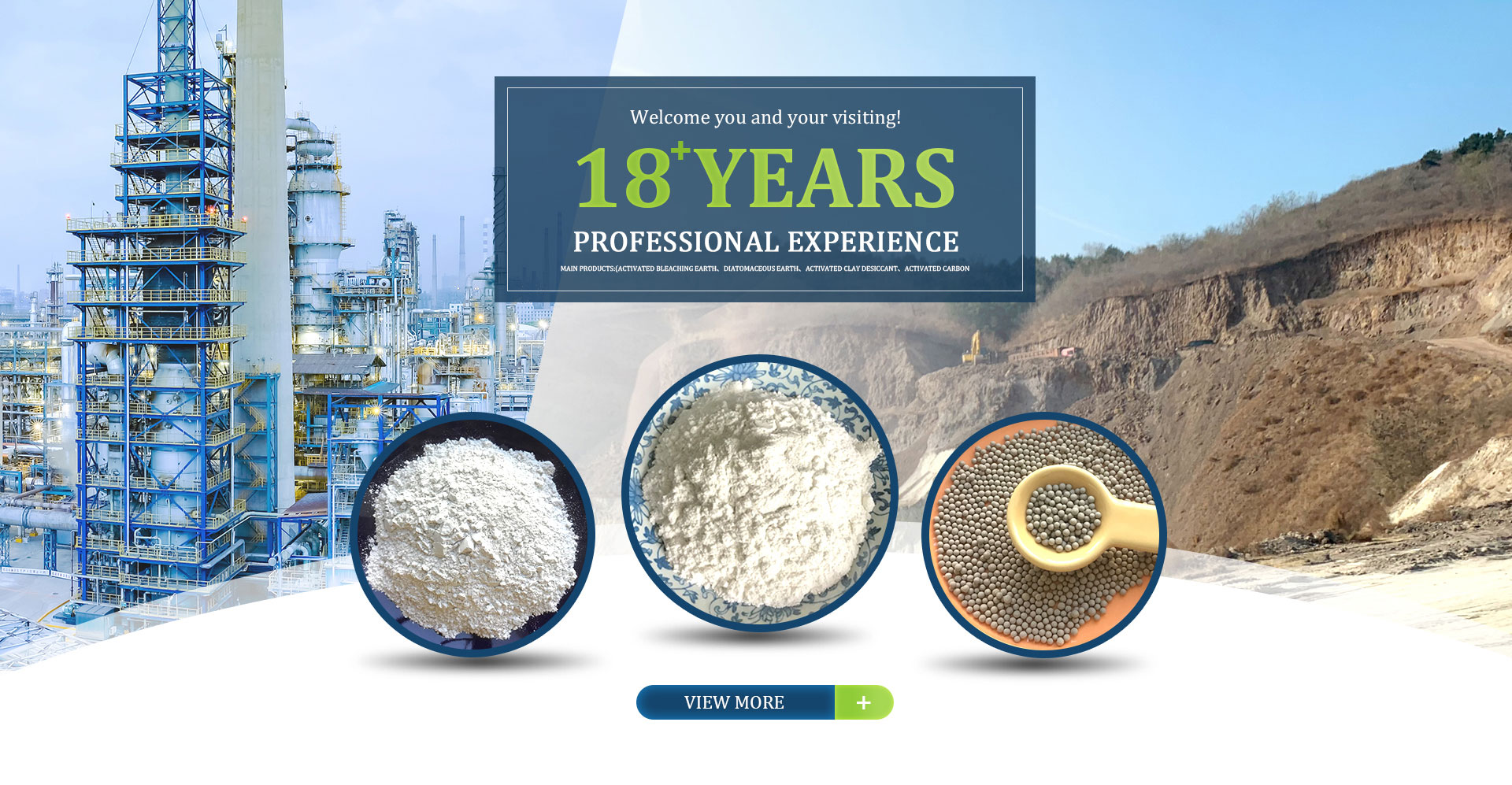
StartingDiatomite filter aid provides outstanding filter aid frequently applied in various processing tasks, particularly in the food and drink sector. Sourced from the fossilized remains of microalgal fossils, it displays a unique open matrix diatomaceous earth that affords fine screening. This compound behaves by creating a thin, permeable layer on a filter press, retaining minute particles while permitting liquid flow. Opting for the ideal quality of siliceous filter medium is important for achieving desired results.
Utilizing Diatomite Earth for Clarification
Permeable powder, composed of the fossilized remains of microscopic algae called diatoms, presents a distinctive option for filtration various ingredients. Its structure, a lightweight network of glass-like shells, provides an incredibly substantial surface area. This enables for highly thorough removal of suspended matter from aqueous systems. Implementations range from liquid conditioning and liquid refreshment processing to swimming processing and even plantation techniques. Benefits include its biosourced origin, budget-friendliness compared to many synthetic alternatives, and its proficiency to successfully retain a comprehensive variety of debris.
- Confers superior component removal.
- Can be a earth-friendly choice.
- Fitting for various domains.
Processed Bleaching Layer: Qualities and Tasks
Refined bleaching earth is a class of raw illite that has undergone unique refinement to increase its binding capacity. This strategy typically involves catalytic metamorphosis, resulting in a modified design with a large coverage. Consequently, it exhibits superior aptitude to remove contaminants from a multipurpose variety of composites, finding important purposes in the decolorization of greases, lard, and other colored ingredients. Furthermore, its green aspect and budget strength contribute to its developing appeal in various businesses.
Contrasting Diatomite with Competing Filter Substances
Selecting the optimal filtration material for a specific process can be problematic. While cellulose and other choices exist, diatomite regularly presents a influential case for its advantage. Versus these opponents, diatomite ordinarily offers better transparency and an increased velocity of separating foreign elements. However, the ideal choice ultimately is based on elements such as budget, deployment requirements, and specified product grade.
Fundamentals of Diatomite Filtration
Mineralized algae or diatomaceous earth filtration purification leverages the unique special structure of such microscopic microscopic algae remains. These these diatoms, upon upon death, form generate a sedimentary earth-like rock deposit composed constructed of intricately delicately porous built silica silicon shells. This said porous honeycomb-like network or filter provides an incredibly or exceptionally large or surface for holding particulate minuscule matter pollutants from among liquids aqueous phases, achieving enabling highly powerful detailed filtration clearing.
Advancing Purification Processes of Modified Earth
Boosting this purifying approach via treated earth presents a viable tool for elevating capacity. This particular natural material, formed from loam, possesses notable absorptive attributes that make possible for it to thoroughly remove dyed contaminants from fabrics, thereby lowering application of harsh artificial formulas and enhancing a greater consequence.
Grasping Filter Powder Quality Levels
Picking the correct earth powder category is critical for high-performing filtering processes. Porous sediment grades are determined by their crystalline scale, traditionally expressed in particulate dimensions. Finer grades, like FF or Filter-X, offer remarkable clarity and are appropriate for thin liquids, while thicker grades, such as Perlite or Celite 500, grant a enhanced streamline rate for easier employments. Understanding these variations will empower you to optimize your screening returns and lessen charges associated with the procedure.
Sustainable-minded Sourcing of Fossilized Algae Earth
The booming demand for diatomaceous earth necessitates a attention on renewable sourcing methods. Traditional digging often calls for significant environmental disturbance and can harm proximal ecosystems. In current times, forward-thinking producers are researching alternatives, such as rejuvenation of former sites, ensuring minimized disruption and shielding faunal habitats. Furthermore, traceability in the chain is shifting crucial, allowing users to adopt informed choices and back environmentally responsible actions. As such, responsible stewardship of fossilized algae earth holdings is vital for persistent availability and controlled environmental outcomes.
- Reduced land impact.
- Rehabilitation of digging sites.
- Elevated clarity in the flow.
Enhanced Brightening Stratum: A Investigative Perspective
From a scientific standpoint, processed whitening clay represents a rare class of tectosilicate minerals. At the start, nontronite powder is reactively modified via refinement – typically involving reductive operation – to dramatically amplify its binding features. That treatment creates a considerable region with a significant number of anionic sites, facilitating the sequestration of discolored elements from emulsions. The operation chiefly involves physical interactions and London colligations, generating a more transparent substance.