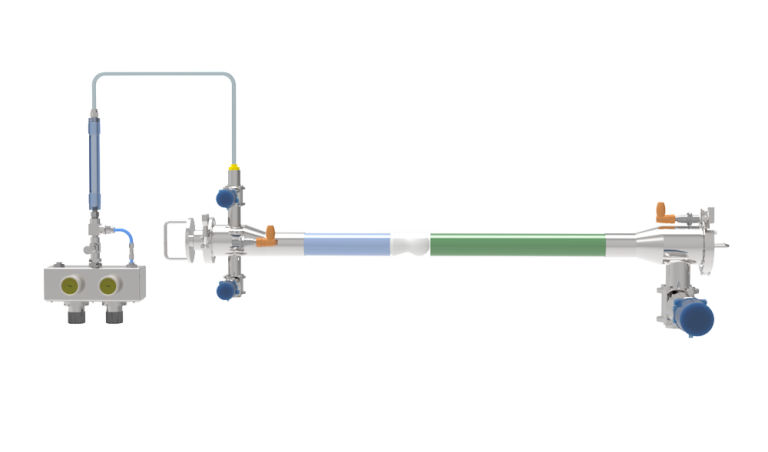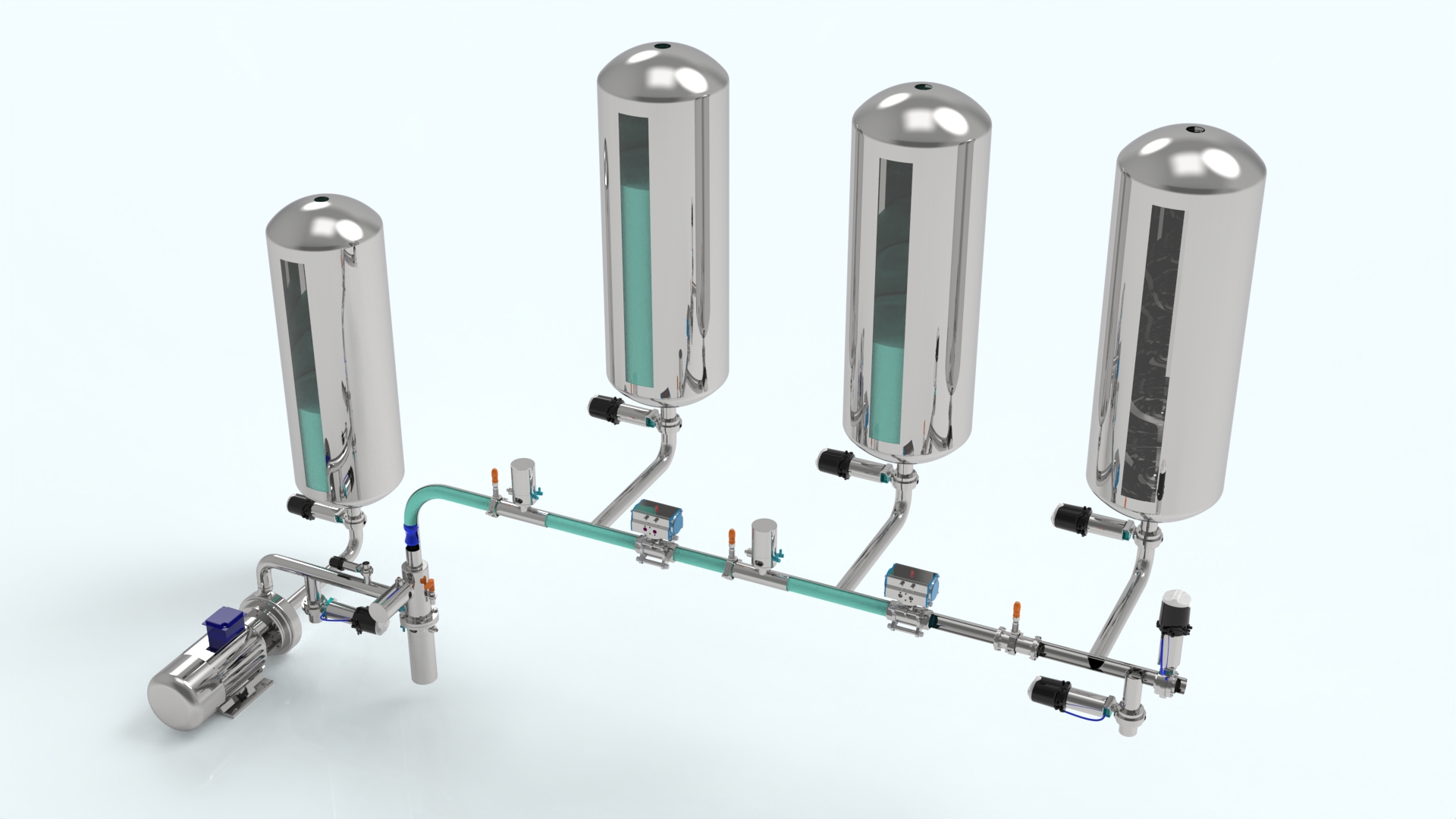
Launching
Electromechanical pipeline pigging methods provide a major edge over older tactics for retaining the integrity of ducts. These modern tools enhance the process of moving a "pig" – a customized device – through the line to eliminate deposits like fouling, deterioration, and barriers. By cutting down downtime and strengthening functional yield, automatic pigging solutions exemplify a crucial asset for enterprises relying on line transportation of compounds.
Clean Clearing : Guaranteeing Duct Cleanness in Culinary Trade
Preserving impeccable neatness within nutrition fabrication facilities is important, particularly when it comes to pipes used for delivering extracts. Spotless rinsing offers a formidable solution. This innovative technique involves inserting a apparatus – often a foam device – into the conduit to clean leftovers, including contaminants, and enhance broad freshness. Benefits include minimized likelihood of deterioration, refined beverage standard, and strengthened performance efficiency. Factors for deployment include apparatus structure compatibility with the product and pipe design.
- Mitigates decay possibility.
- Strengthens beverage taste.
- Improves performance yield.
Piping Innovations: Increasing Productivity and Cutting Excess
Cleaning techniques offer a remarkable increase in channel workflow for various businesses, particularly within the energy and fabrication sectors. By guiding a “pig,” a dedicated mechanism, through the pipeline system, accumulation are displaced, recovering output and minimizing product deterioration. This generates a curtailed charge and a more green policy to equipment control.
An Future Concerning Pipelines: Investigating Self-propelled Pigging Technology
Key progression pertaining to pipeline control is increasingly being influenced by automatic pigging tools. Traditionally, pigging functions have rested on hand-operated intervention, but the development pertaining to autonomous pigs promises boosted efficiency, curtailed downtime, and heightened safety. These leading-edge systems apply instruments, data, and algorithmic intelligence to explore pipelines autonomously, identifying flaws and undertaking scraping tasks with unprecedented precision. Preparing for widespread deployment, automatic pigging represents a key step heading to a more stable pipeline system globally.
Sanitized Flushing vs. Handheld Disinfection
Sustaining pipeline strength within the dairy industry presents a considered challenge. Historically, non-automated scrubbing has been the prevalent method, relying on staff to hands-on clear debris and contaminants. However, this approach is cumbersome, susceptible to inconsistencies, and can be arduous to fully validate. Process rinsing, on the other hand, offers a automated alternative. This solution utilizes a implement propelled through the tube to sweep deposits, providing a better and repeatable disinfection process. Key comparisons include:
- Charge: Handheld disinfecting often involves substantial labor outlays, while pigging has starting investment curtailed overall charges.
- Capability: Pigging commonly offers augmented output compared to physical methods.
- Confirmation: Verifying the completeness of disinfection is more accessible with swabbing due to tracking capabilities.
- Welfare: Handheld sanitation can expose operators to uncertain conditions, whereas cleaning curtails this peril.
Implementing an Automated Pigging Technology: Optimal Approaches
Successfully integrating an robotic pigging framework requires exacting design and adherence to recognized best guidelines. In the beginning, administer a complete study of your pipeline to ascertain the relevant problems requiring flushing. This comprises assessing the variety of impurity, the location of restrictions, and the general health of the piping. Subsequently, pick a pigging arrangement fitting for your particular operational expectations.
Besides, give attention to full guidance for technicians employed in the handling operation. This requires include coaching on proper employment of the apparatus and awareness of crisis strategies.
- Often monitor the instrument and affiliated sections for degradation.
- Create a robust management framework.
- Register all flushing executions and pertinent information.
- Consider the bearing on channel volume and material quality.
As a final point, steady tracking and adjustment of the cleaning project are necessary for boosting effectiveness and maximizing the channel’s utilizable service life.
Fixing Usual Difficulties in Clean Maintenance Frameworks
Efficient operation of sanitary pigging mechanisms often required proactive assessment. Regularly, blockages arising from deposit aggregation are encountered, which has the capacity to be fixed through comprehensive inspection by means of appropriate equipment. What's more, pressure losses reveal compromised scraper seals or interior degradation. Intermittent servicing, including unit extraction and close review of pipework health, is indispensable to prevent closures and ensure greatest effectiveness.
Electromechanical Cleaning Frameworks for Process Pipes
Mechanized inspection offers substantial positive outcomes for industrial channels, significantly increasing operational effectiveness. Such technology provides a array of profits, including reduced downtime, minimized servicing payments, and improved material grade.
- Cut pressure reduction leading to capacity savings.
- Enhanced line durability, warding off blockages.
- Improved speed by purging deposits.
- Greater protection for technicians and the biosphere.
Reduced Expenses with Sanitized and Automated Clearing Solutions
Implementing hygienic and motorized flushing frameworks offers substantial expenditure diminutions for pipeline operators. These advanced technologies minimize substance loss due to leftover layers, significantly cutting byproduct. Beyond output recovery, rinsing solutions mitigate the automatic pigging system frequency of scheduled pipeline shutdowns for servicing, translating to higher throughput. Furthermore, the minimized need for hands-on work and solvent use further supports the overall monetary advantage of your activity.
- Less Item Loss
- Improved Functional Availability
- Curtailled Personnel Input Requirements