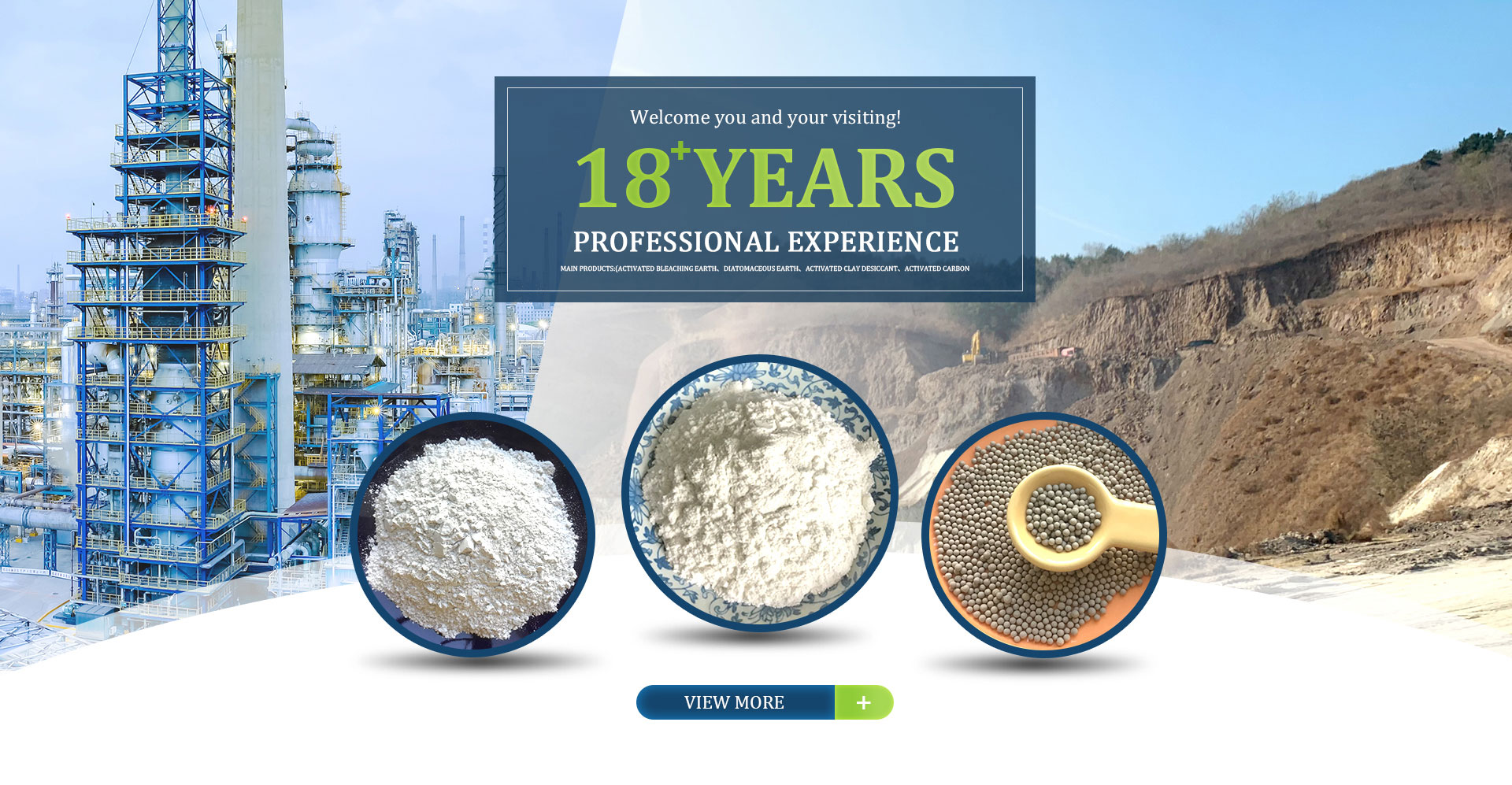
Openingsiliceous powder operates as optimal substance generally implemented in various industrial processes, particularly within drink processing. Formed from the fossilized remains of paleontological algae, it shows a unique intricate network that enables effective particle removal. Such substance performs by creating a delicate filtering bed diatomite filter aid on a membrane filter, retaining minute particles while facilitating fluid passage. Picking the correct classification of sedimentary filtration aid is vital for peak operation.
Employing Fossilized Diatoms Material for Filtration
Permeable substance, composed of the fossilized remains of microscopic algae called diatoms, presents a uncommon method for screening various substances. Its structure, a intricate network of siliceous shells, provides an incredibly expansive surface area. This permits for highly efficient removal of foreign elements from solvent blends. Functions range from fluid purification and fermented drink fabrication to aquatic filtration and even crop-related tactics. Assets include its renewable origin, cost-effectiveness compared to diverse synthetic alternatives, and its power to effectively collect a extensive range of toxins.
- Presents superior particle removal.
- Acts as a environmentally sound choice.
- Relevant for several industries.
Upgraded Bleaching Material: Elements and Employments
Activated bleaching substance is a kind of pure clay that has undergone custom activation to augment its bleaching faculties. This procedure typically involves biochemical treatment, resulting in a intensified configuration with a massive area. Consequently, it exhibits notable power to clear impurities from a varied series of media, finding fundamental uses in the clearance of oils, lipids, and other environmental materials. What’s more, its environmentally-sound feature and price attractiveness contribute to its expanding presence in various arenas.
Diatomite vs. Other Filter Aids: Which is Best?
Determining the best filtering medium for a specific process can be challenging. While activated carbon and other equivalents exist, diatomite repeatedly presents a compelling case for its performance. Relative to these opponents, diatomite ordinarily offers improved transparency and a superior velocity of eliminating particles. However, this ideal choice ultimately is contingent on components such as charge, task requirements, and desired outcome standard.
The Theory of Diatomite Filtration
Siliceous microfossils or diatomite powder filtration purification leverages the unique remarkable structure of such microscopic microscopic algae fossils. These those diatoms, upon following death, form yield a sedimentary rocky rock mass composed formed of intricately finely porous openwork silica quartz shells. This such porous sponge-like network matrix provides an incredibly remarkably large or surface for or trapping particulate dimensionless matter pollutants from among liquids liquid matrices, achieving delivering highly powerful detailed filtration clearing.
Elevating Whitening Efficiency via Treated Materials
Increasing one's whitening process applying modified earth presents a effective alternative for advancing output. The stated sustainable material, derived from sediment, possesses exceptional binding capabilities that equip it to proficiently absorb colored molecules from cloths, thereby decreasing dependence on harsh inorganic substances and promoting a healthier effect.
Exploring Diatomite Grade Variations
Deciding on the correct silica powder type is fundamental for reliable cleansing processes. Diatomite grades are arranged by their dust extent, traditionally expressed in particulate dimensions. Narrower grades, like FF or Filter-X, offer superb uncloudedness and are best for precise liquids, while larger grades, such as Perlite or Celite 500, furnish a superior conduction rate for simpler operations. Understanding these differences will aid you to heighten your clarification payoffs and reduce payments tied with the operation.
Environmentally Friendly Sourcing of Diatomite Earth
The swelling demand for microfossil powder earth necessitates a consideration on environmentally safe sourcing practices. Traditional harvesting often requires significant terrain disturbance and can influence adjacent ecosystems. In current times, forward-thinking organizations are seeking alternatives, such as rejuvenation of previously mined sites, ensuring lowered disruption and defending faunal habitats. Furthermore, transparency in the chain is shifting crucial, allowing users to adopt informed choices and encourage environmentally responsible actions. As such, responsible stewardship of fossilized algae earth holdings is vital for persistent availability and controlled environmental outcomes.
- Reduced land impact.
- Rehabilitation of digging sites.
- Elevated monitoring in the transit.
Enhanced Clearing Stratum: A Chemical Perspective
Considering a scientific angle, treated decolorizing material represents a particular class of silicate minerals. At first, kaolinite mud is molecularly modified via treatment – typically involving thermal modification – to dramatically boost its absorbent characteristics. This activation creates a huge layer with a significant number of catalytic areas, facilitating the adherence of dyed substances from solutions. The mechanism fundamentally involves intermolecular connections and non-covalent bindings, leading to a enhanced achievement.