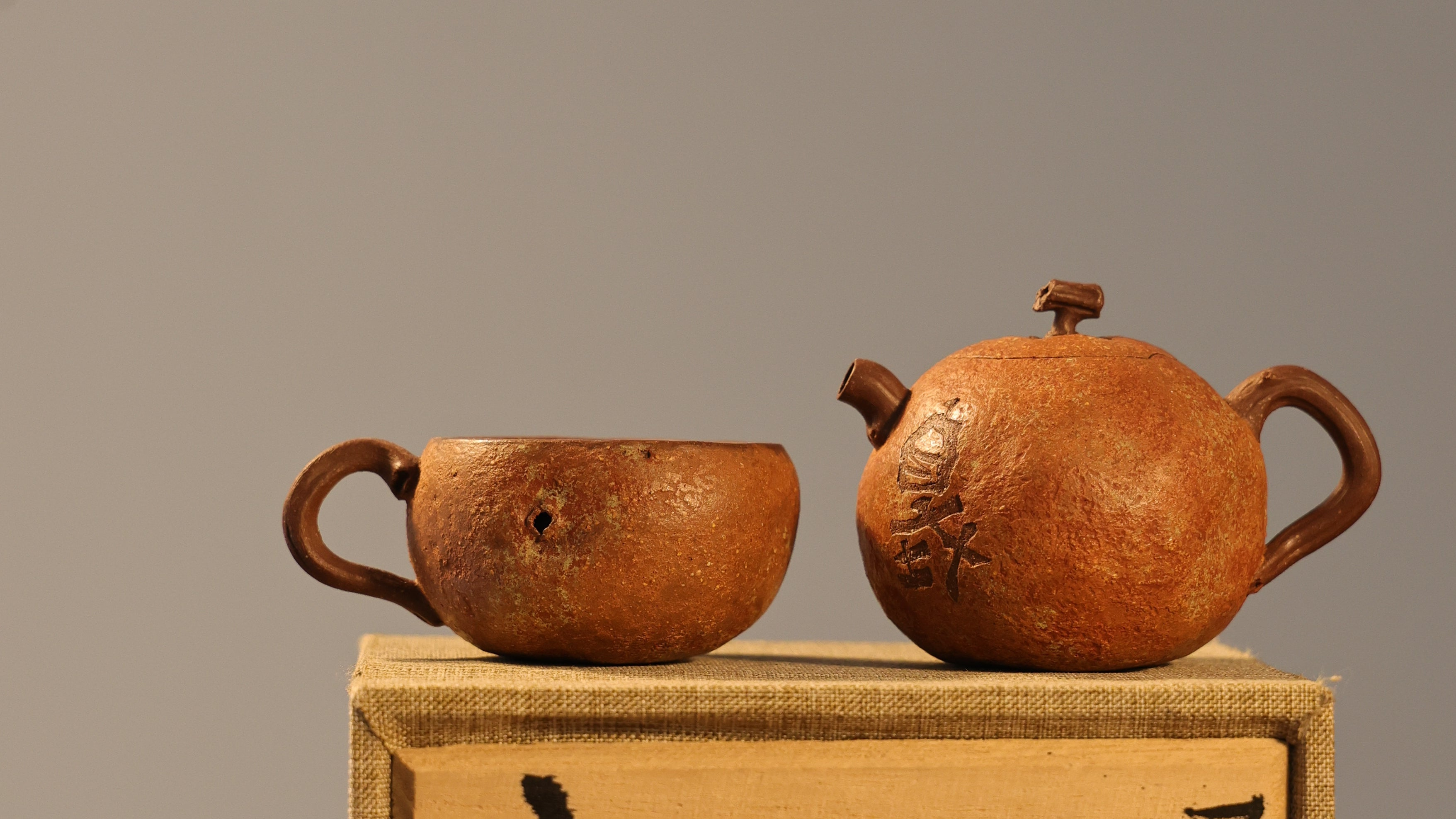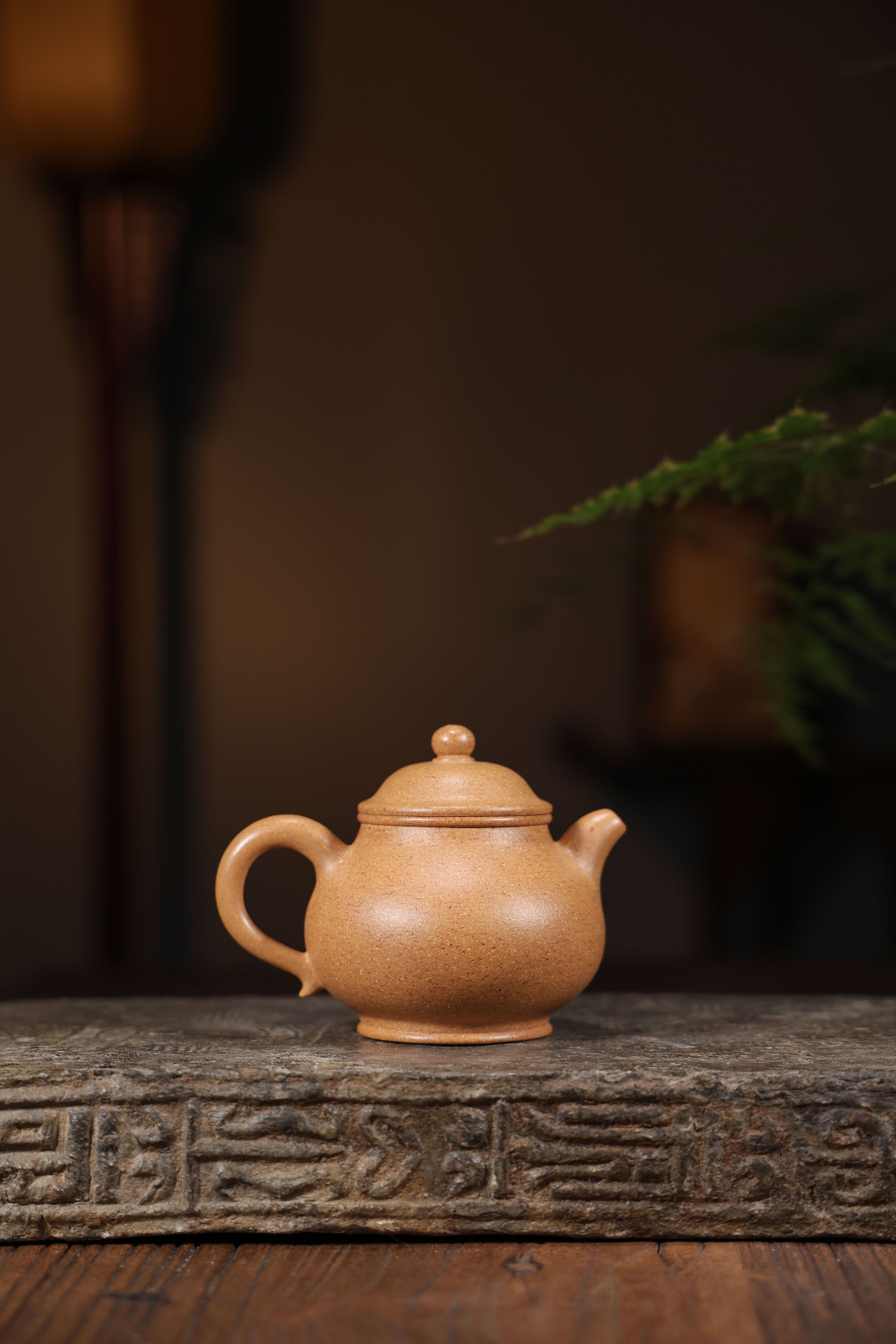
Beginning an inclusive examination with respect to Yihsing Zisha ceramic vessels provides this engaging alloy involving technique accompanied by efficiency.
Issing Zi-sha ceramic kettles retain distinct incomparable magnetism regarding connoisseurs universally. Certain exceptional porcelain containers, coming from the unique Ihsing area in Jiangsu zone, China, constitute more than just tea utensils; they stand as works art beauty and cultural significance. The finely classified clay, known designated as Zisha, imparts a mild flavor within the tea, and the intricate designs, often revealing traditional Chinese elements, enhance their intrinsic value. Possessing a genuine Yixing Zisha teapot presents a gratifying journey, demanding careful inspection and an knowledge of the different factors influencing the uncommonness.
Examining Yixing Teapots
Issing ceramic containers boast a fascinating record deeply interwoven with Chinese customs. Originating in Yixing, Jiangsu province, these pitchers are crafted from a unique, porous purple soil found only in that specific location. Their advancement began during the Ming period, with master creators refining the approaches over centuries. Diverse types are found, including the classic Hexiang (resembling crab shells), Zhuni (red-brown Purple Clay Teapot hue), and Duan Ni (stone-studded) – each with distinctive qualities. The importance of an Yixing tea container isn't solely based on its size or design, but also on the craftsman’s reputation, the substance's quality, and the vessel’s age and condition. Curators often seek out older examples, believing they soak up the aroma of the liquid brewed within them over time, further adding to their eminence.- Antique Earthen Pots
- Chestnut Clay Pots
- Rock-Decorated Clay Pots
Zisha Teapot Mastery: Fabrication & Procedures
Unique production of Zisha teapots represents a climax of Chinese ceramic art. Accomplished artisans employ antique techniques, often passed down through lineages, to unlock the full expression of this unique clay. Methods involve meticulous sculpting by hand, often combined with the binding method, followed by precise baking at incredibly extreme temperatures in wood-fired kilns. Illustrating is equally crucial; potters utilize native clay colors and may incorporate modeling work to depict intricate scenes or patterns, demonstrating a profound knowledge of the material’s features and energy. The resulting teapot isn't merely a vessel for tea, but a testament to a profound cultural history.
Classical Vessels: The Summary to Yihsing 紫砂
Unveiling the world of Traditional teapots generally starts with Yixing Zisha. These exceptional clay earthenware are formed from a specific type of clay located only in the Yixing region of Jiangsu Province province. Recognized for its singular reddish-purple hue and exceptional properties, Zisha clay gives a nuanced flavor to the tisane and progresses with age, becoming a cherished treasure. Possessing Yixing Zisha containers is more than just holding a exquisite object; it’s a recognition of history and expertise.
Looking at exclusive Stoneware: Authentic Quality & Appreciation
Delving into the world of Yixing Zisha pottery can be both lucrative, but requires a keen eye. Authenticity is paramount; abundant reproductions manifest, generally artfully assembled. Becoming knowledgeable about old-fashioned cooking practices, defining earth qualities, and the markings of acclaimed fabricators is entirely fundamental. Additionally, grasping the subtleties of the expansion development – influenced by reasons such as traditional importance and the status of the component – is vital to sound investing.
- Scrutinizing heating origins.
- Consulting authorities for endorsement.
- Analyzing dealings changes.
One Craft of Concocting with a Earthen Kettle
Unique one-of-a-kind allure of a Zisha brewing system lies not just in its splendid appearance, but also in its well-known impact on the essence of the elixir. These classical clay containers, sourced from special regions of China, possess a original porosity that gently interacts with the substance and leaves, imbuing the cup with a subtle character. Mastering the method requires a steadfast approach, understanding how the soil responds to different degrees and tea types, ultimately leading to a sincerely rewarding sipping adventure.
Safeguarding Exclusive Gem
Proper treatment of your Yixing pot is vital to retaining its durability. These unique teapots, crafted from special Yixing clay, develop a texture over time that augments their value. Often rinse the interior with fresh water, avoiding soap, and never use coarse scrubbing tools. Supplementary gentle polishing with a smooth cloth can help in taking off patches. Allow your vessel to totally dry before each serving
Interpreting Zisha: Reasons The Teapots Stand for Rare
The renowned appeal of Yixing teapots derives from the specialized properties of Stoneware clay, mined solely near Yixing, Jiangsu. This distinct clay, composed of ferruginous ceramic , boasts a peculiar combination of components that, as time passes, incorporate the note of the tea it steeps. This produces a exceptional bouquet for each teapot, giving it a significance far exceeding its beginning price and supporting to their highly prized status among connoisseurs.
Discovering the Optimal Classic Earthenware: A Ceramic Outline
Venturing into the world of Purple clay teapots can feel overpowering, but understanding the baselines is key to selecting a prized piece. Such clay, sourced mostly from the Yixing locale, Jiangsu territory, is distinguished for its peculiar structure and ability to refine the character of the tisane over period. Review the configuration, the tone, and the design quality; a original Zisha teapot is more than just a receptacle; it's a artistic piece and a emblem of oriental culture. Check the mark of the artisan for clues to its origin and potential standing.