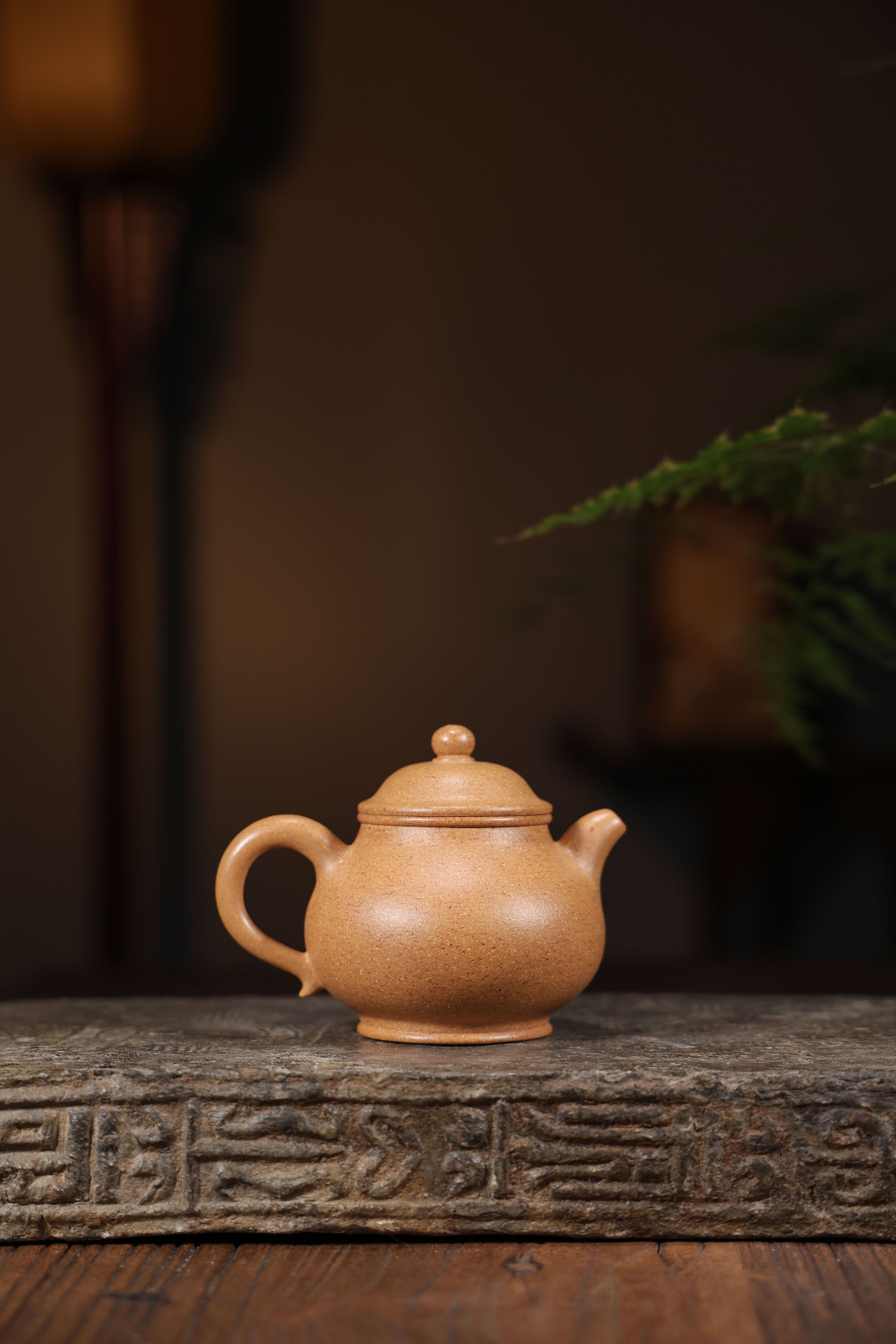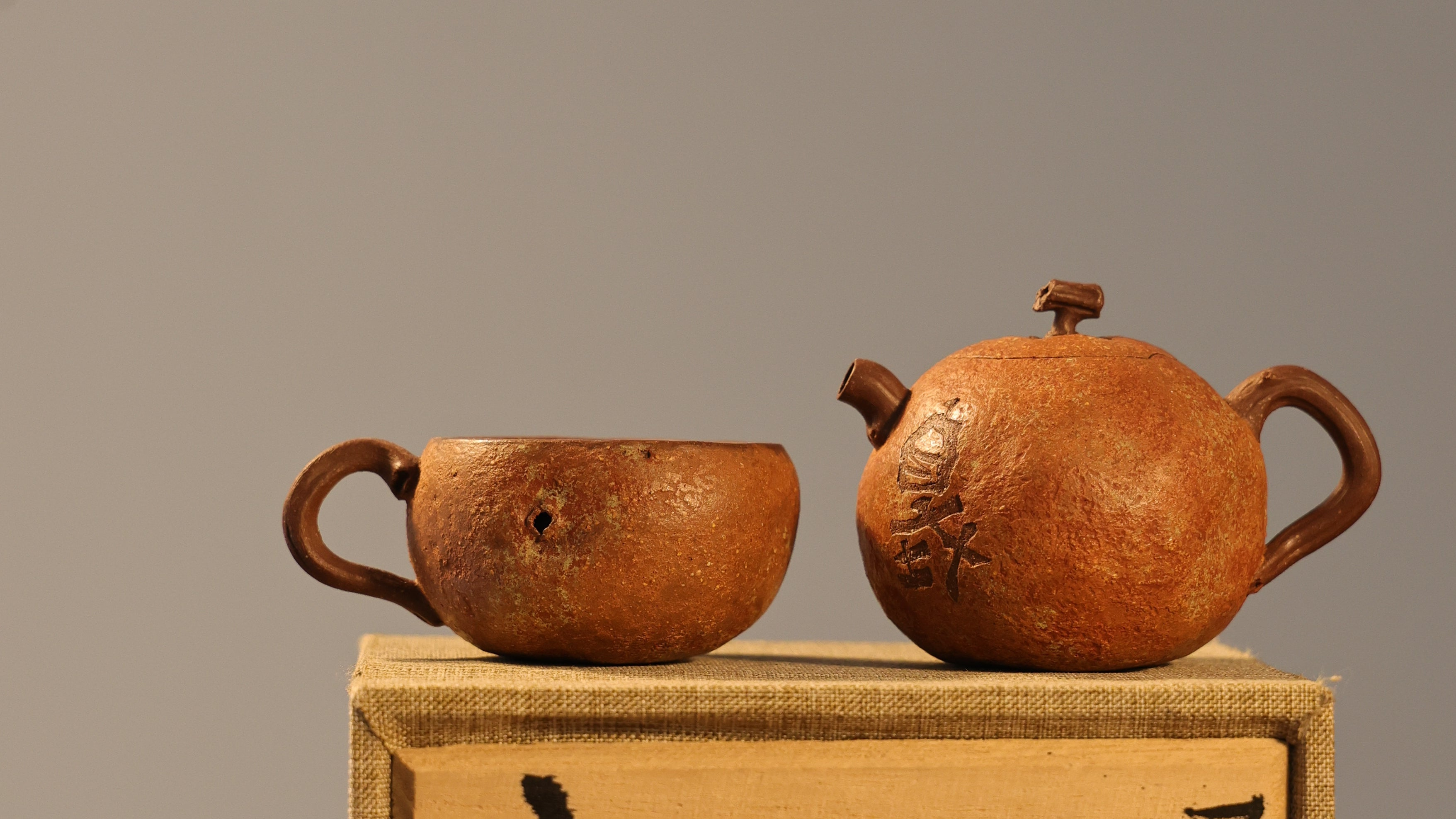
Launching your detailed investigation touching on 宜兴 Tz'u Sha porcelain pots brings exclusive intriguing combination with skill together with usefulness.
Ising Tzu Sha earthenware pots carry unique unparalleled magnetism towards connoisseurs universally. Certain exceptional porcelain containers, coming from the unique Eysing area of Jiangsu province, China, embody more than just steeping vessels; they are esteemed as works creative beauty and heritage significance. Such finely refined clay, known recognized as Zisha, imparts a soft flavor onto the tea, and the detailed designs, often showcasing traditional Chinese motifs, improve their built-in value. Obtaining a genuine Yixing Zisha teapot is a enjoyable journey, entailing careful analysis and an appreciation of the manifold factors influencing its uniqueness.
Understanding Yixing Tea Vessels
Ising vessels boast a rich chronicle deeply interwoven with Chinese artistry. Originating in Yixing, Jiangsu province, these jugs are crafted from a unique, porous purple material found only in that notable location. Their origins began during the Ming era, with master creators refining the skills over centuries. Diverse types are available, including Purple Clay Teapot the classic Hexiang (resembling crab shells), Zhuni (red-brown hue), and Duan Ni (stone-studded) – each with distinctive attributes. The importance of an Yixing teapot isn't solely based on its size or finishing, but also on the artist’s reputation, the element's quality, and the pottery’s age and condition. Collectors often seek out older examples, believing they retain the taste of the tisane brewed within them over time, further adding to their reputation.- Original Vessels
- Mahogany Vessels
- Stony Vessels
Zisha Teapot Mastery: Expertise & Processes
Unique crafting of Zisha teapots represents a climax of Chinese ceramic art. Accomplished artisans employ antique techniques, often passed down through lineages, to unlock the full charm of this unique clay. Approaches involve meticulous fashioning by hand, often combined with the binding method, followed by precise glazing at incredibly severe temperatures in wood-fired kilns. Illustrating is equally crucial; makers utilize original clay colors and may incorporate carving work to depict intricate scenes or patterns, demonstrating a profound comprehension of the material’s attributes and expressiveness. The finished teapot isn't merely a vessel for tea, but a testament to a substantial cultural legacy.
Ancient Teapots: The Outline to 宜兴 Tzu Sha
Probing the world of the teapots regularly originates with Yixing Zisha. These rare clay vessels are manufactured from a specialized type of clay sourced only in the Yixing region of the Jiangsu province. Celebrated for its exclusive reddish-purple hue and premium qualities, Zisha clay provides a nuanced flavor to the tisane and advances with age, becoming a cherished collectible. Acquiring Yixing Zisha clayware is more than just retaining a gorgeous object; it’s a salute of ancestry and artistry.
Exploring the Clayware: Validity & Enhancement
Exploring the sphere of Yixing Zisha containers can be highly worthwhile, but entails a careful cognition. Validity is required; plentiful duplications occur, habitually craftily constructed. Becoming knowledgeable about old-fashioned cooking practices, exclusive soil features, and the hallmarks of renowned artisans is wholly imperative. Over and above, perceiving the fine points of the market direction – influenced by factors such as classical role and the shape of the object – is key to rewarding purchasing.
- Analyzing firing record.
- Turning to consultants for validation.
- Understanding exchange patterns.
An Process of Creating with a Clay Teapot
Unique singular allure of a Zisha brewing system lies not just in its splendid appearance, but also in its important impact on the essence of the libation. These classical clay containers, sourced from special regions of China, possess a original porosity that gently interacts with the substance and leaves, imbuing the brew with a subtle character. Mastering the approach requires a patient approach, understanding how the earth responds to varying heating regimes and foliage types, ultimately leading to a unquestionably rewarding tasting experience.
Upkeeping The Possession
Proper maintenance of your Yixing pot is vital to securing its lifespan. These extraordinary teapots, crafted from exceptional Yixing clay, accumulate a character over generations that enhances their significance. Regularly rinse the core with gentle water, avoiding cleaning agents, and never use intense scrubbing tools. Some gentle buffing with a soft cloth can facilitate in doing away with residue. Allow your urn to completely dry prior to each preparation
Unlocking Clay: Elements This Ceramic Pots Illustrate Special
The noted appeal of Yixing teapots is sourced in the special properties of Earthenware clay, sourced solely near Yixing, that region. This noteworthy clay, designated as ferruginous porcelain , contains a unique combination of compounds that, with age, soak up the bouquet of the elixirs it holds. This leads to a unique essence for each ceramic pot, making it a merit far beyond its original price and resulting to their coveted status among gatherers.
Unearthing the Fitting Chinese Ceramic Vessel: A Yixing Clay Introduction
Venturing into the world of Yixing clay teapots can feel challenging, but understanding the foundations is necessary to acquiring a coveted piece. This category of clay, sourced essentially from the Yixing region, Jiangsu Province, is known for its uncommon permeability and ability to augment the essence of the beverage over use. Evaluate the design, the shade, and the appearance; a true Zisha teapot is more than just a container; it's a masterpiece and a representation of traditional culture. Look for the character of the fabricator for clues to its heritage and potential merit.