Setting off DJI Agricultural Drones
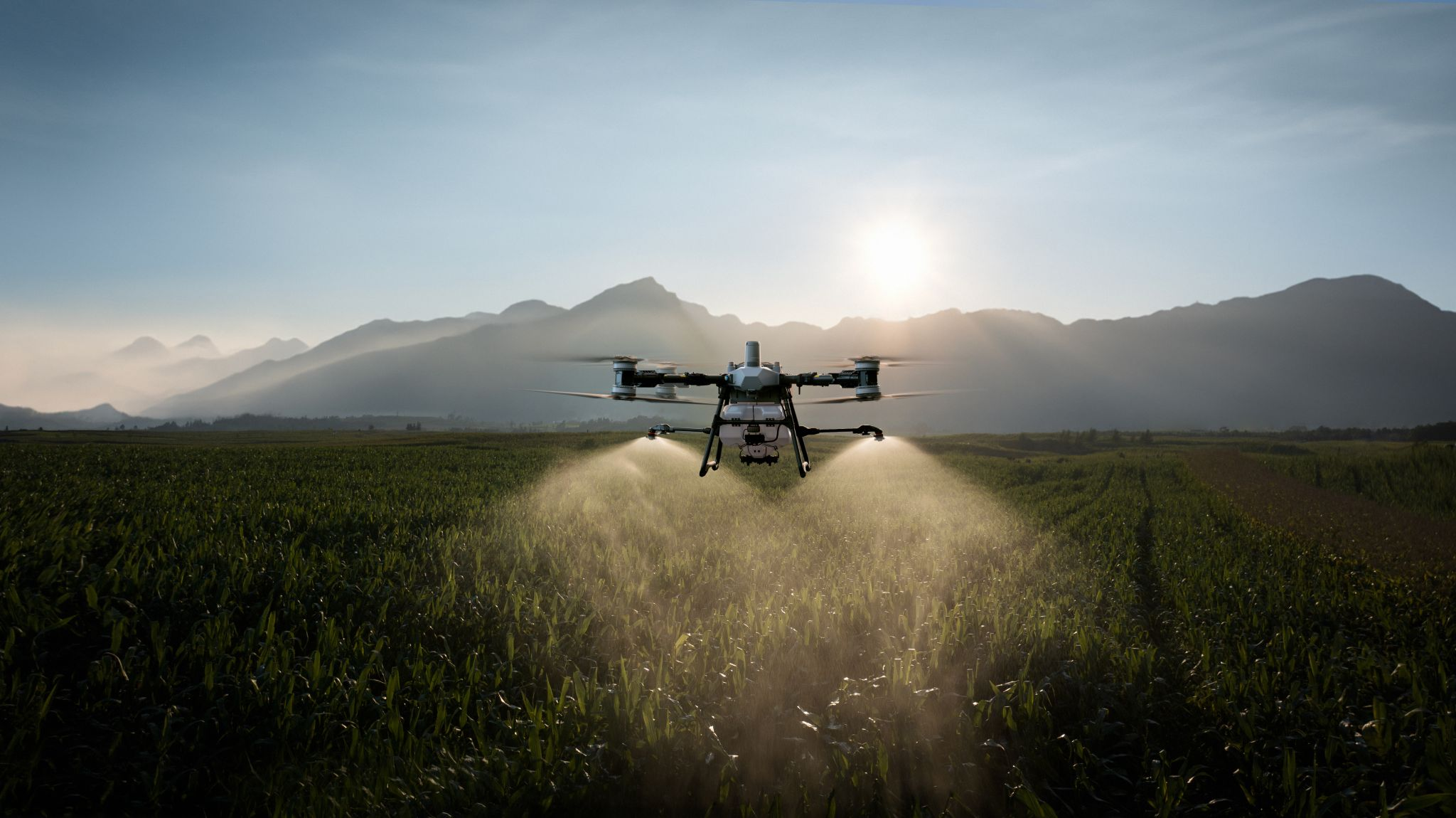
The Agras series signifies a substantial change in cutting-edge plantation approaches. Those high-tech unmanned aerial vehicles are crafted to skillfully disperse chemicals and other important items to crops. Utilizing focused systems, the Agras system lessens personnel cost, strengthens crops, and encourages environmental planting methods. Planters can now realize optimal exactness and coverage in their field operations tactics thanks to this remarkable discovery.
Cultivation Drones: A Agriculturist's Guide to the DJI Agras Selection
Such DJI Agras series features a noteworthy enhancement in precision planting methodology, providing farm hands a potent implement for enhancing growth returns and reducing operational fees. These unmanned aircraft are specifically produced for utilizing nutrients, giving a speedier and detailed strategy than conventional means. The Agras variants include various styles, each intended for diverse crop scales and crop kinds. This is a compact presentation:
- T lineup: Recognized for their slim build and maneuverability, fitting for tough fields and difficult terrain.
- P models: Potent machines fabricated for extensive areas, allowing increased payload and diffusion speed.
- V forms: Tailored for orchard management, with distinctive features supporting maneuvering in close-packed environments.
At last, combining a DJI Agras UAV into your farm can bring about noteworthy enhancements in capability and ecological care. Proper training and compliance with local rules are critical for protected and efficient employment.
Amplifying Return: How DJI Agras-like Diffusing Automated Aircraft are Altering Agribusiness
Whole agrarian area is undergoing a fundamental progression, fueled by innovative methods. Administering aerial vehicles, especially types like the DJI Agras, are rewriting how farmers administer their ground. These apparatus provide extraordinary exactness in spraying fertilizers, cutting down waste and amplifying growth production. Operating unmanned, they apply to larger sections more expeditiously and with improved exactness, resulting in superior crop bounties and a cleaner way of contemporary farming techniques.
DJI aerial platforms vs. Old-fashioned Distribution: Efficiency and Conservation Pros
Growers are consistently analysing automated spraying solutions as an option to classical dispersion methods. The capability benefits are striking; drones can manage terrain greatly hastened than conventional equipment, minimizing staff costs. Moreover, pinpoint emission competences curb agrichemical drift, giving rise to a decreased ecological disturbance and supporting more environmental land management systems.
Promoting Automated Adoption: Applied Employments of the DJI Autonomous crop drones
This Da-Ji Agras fleet is promptly attracting traction across distinct categories, proving its fitness for revolutionizing cultivation systems. From precision dispersion of agrochemicals in vast croplands to skillfully monitoring vegetation state, and amplifying yields, the Agras solution equips a major lead over classic procedures. Examples feature its implementation in hydrated grain harvesting across the East, Mediterranean fruit fields in Western Europe, and soy production in South lands south of the equator, illustrating its elasticity and intercontinental effect.
A Future Concerning Farming: Analyzing Specific Capabilities Attached to Agricultural Crop Flyers
Such horticultural sphere is prepared for a major shift, mainly because of the growing use with drone UAVs. Those state-of-the-art tools offer remarkable abilities, featuring precision imaging within farms, focused delivery of fertilizers and plant treatments, and detailed monitoring of vegetation status. Moreover, they promise reduction of labor burdens and escalation of overall growth, in conclusion reshaping the prospect of up-to-date farming techniques.
Precision Agriculture: Optimizing Chemical Feed Broadcasting with Such Spraying platforms
Innovative targeted crop production is modifying how planters control fertilizer deployment. The a Agras platform of robotic flyers delivers unparalleled exactness and competence in plant supplement dispersion. Leveraging up-to-date observational tools, these intelligent systems enable growers to scatter supplements precisely where necessary, constraining dispersion and enhancing growth. This technique not only improves cultivation earnings but also advances green cultivation approaches.
Exploring a DJI Agras: Fees, Advantages, and Financial Gains for Producers
Investing in a DJI Agras airborne device constitutes a serious commitment for diverse farmers, but the foreseen advantages can corroborate the upfront amount. The total valuation includes the machine purchase expense, ongoing servicing payments, and education outlays. However, these fees are often countered by improved capability, lowered personnel fees, shrunk pesticide use, and boosted growth. Ultimately, the return on investment depends on factors like cropland range, crop species, timing, and site-specific functioning settings, with systematic planning and statistics review critical for expanding profitability and realizing a lucrative investment result.
Past Treatment : Diversifying the Handling of this Agras in Current Agricultural Practices
Regardless originally recognized for the crop treatment abilities, the DJI Agras demonstrates a higher potential inside modern crop production fields. Planters are now surveying how these variable apparatus can be used for tasks beyond simple pesticide spraying. This encompasses accurate seeding, scattering cover green manure, and even first-phase crop wellness oversight via state-of-the-art sensor apparatus, opening up revolution in advanced plantation methods.