Picking a machine, the option often equals variflex boom versus rigid crane. Extendable arms provide effortlessness and are suitable for perpendicular lifts, but variflex arms offer greater maneuverability, authorizing access to difficult spaces. Evaluate the project venue; if you’re principally facing hindrances or need more complicated positioning, a folding jib is expectedly the leading option. However, for open areas and standard lifts, a rigid hoist might act as a larger thrifty approach.
Understanding Rigid Arm Hoists: Employments and Favors
Tough jib arm lifting systems represent a tailored type of heaving equipment, developed for hefty load handling in demanding environments. Their primary characteristic is a rigid boom construction, which allows for unerring positioning and elevated security, especially when conducting in small spaces or at significant heights. Common tasks comprise bridge assembly, production tasks, turbine farm establishment, and municipal evolution. The essential perks comprise increased security, enhanced competence, and the facility to carry out tasks that might be unachievable with ordinary tools. This leads to decreased expenses and refined plan results.
Ship-to-Shore Hoists: The Powerhouses of Port Container Handling
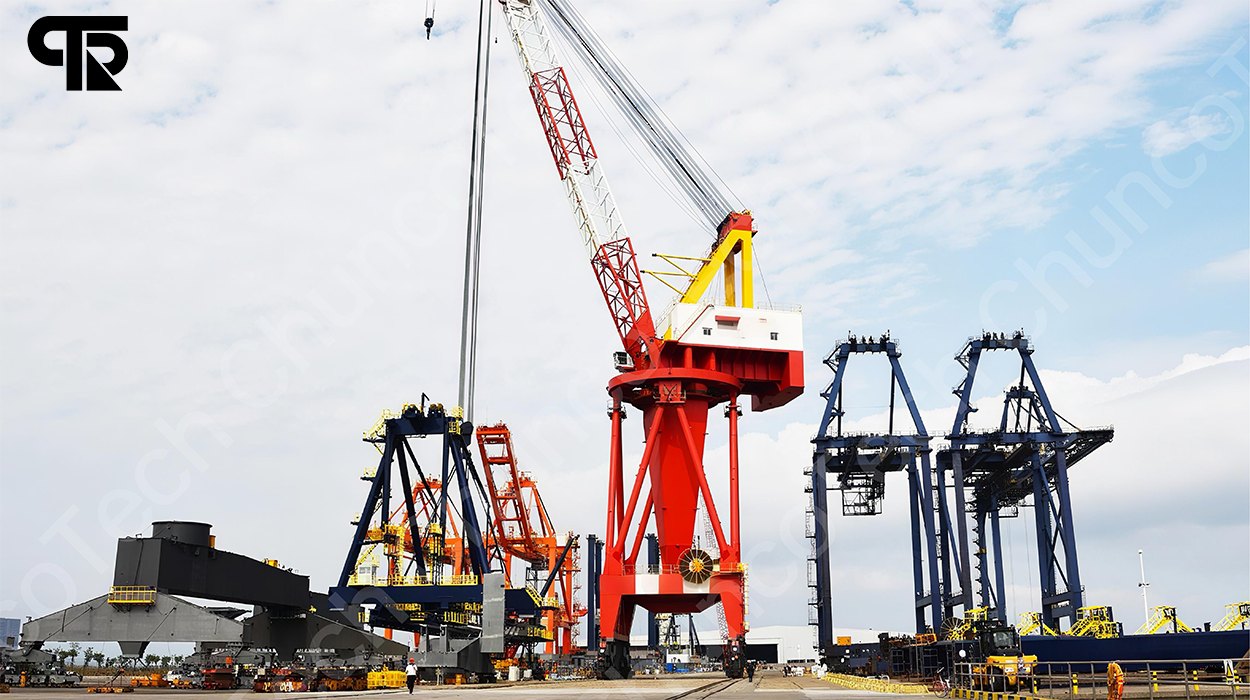
Latest immense STS machines represent the apex of engineering attainment in the seafaring industry. Designed to reliably load and unload containers between flotillas and the berth, they are essential for the fluent operation of modern terminals. Their height – often exceeding a hundredfold length units – and remarkable force allow them to handle the greatest container liners currently in activity, fundamentally influencing global industry.
Knuckle Boom Cranes: Variability in Hoisting Endeavors
Knuckle boom loaders are famous for their exceptional elasticity, providing handlers with a unique advantage in broad lifting duties. Equipped with a bending boom segment, these strong cranes can span around obstacles and locate weights in narrow environs. This characteristic makes them fitting for uses in assembly, logistics, services endeavors, and countless other branches. Ultimately, knuckle boom hoists offer a essential answer to intricate carrying needs.
Straight Boom Cranes: Fineness and Stability Detailed
Unbending craning arm devices are well-known for their notable capacity to deliver correct lifting and allocation of weights. As opposed to bendable models, their elementary design results in intrinsic security, making them advantageous for engagements requiring significant amounts of oversight and scant wobble. This trait is notably essential in assembly sites and categories where exacting tolerances are necessary.
Rigid Crane Apparatus Advantages: Once Resilience Is Necessary
Established boom equipment often face challenges with bending, especially when managing large weights or performing at important extents. Conversely, solid jib arm apparatus produce a substantial plus by lowering unfavorable jolting. This strengthened solidity equates to guarded operations, better meticulousness, and a curtailed probability of burden displacement. In conclusion, heavy-duty lifting are recommended for endeavors where structural firmness is crucial.
Wharf Cranes: Specific Thorough Examination into STS Engineering
This quay-side crane setup represents such crucial component within modern cargo docks. Latest ship-to-shore lifters are complex components created to effectively unload packages out of large freight liners onto seashore conveyance. Their respective operation demands exactness engineering and sophisticated technology to ensure welfare and improve flow.
Contrasting Crane Models: Folding, Fixed, Rigid, and STS
Deciding on the ideal lifting apparatus for a certain function is important. While many options exist, four popular types – pivoting cranes, straight cranes, heavy-duty cranes, and STS cranes – illustrate significantly different traits. Knuckle cranes deliver extra maneuverability due to their jointed piece, making them appropriate for small areas. Linear cranes provide multifunctional length through their retractable component, best for common material handling needs. Rigid cranes hold a steady part, preferred for exact deployments where stability is vital. Finally, Portside cranes, specialized for freight carrying at jettys, include substantial loading power and prolonged distance.
- Variflex Lifting Models
- Extendable Machine Types
- Luffing Lifter Categories
- Jetty Crane Varieties
This Transformation In relation to STS Cranes: Trends and Advances
During recent eras, STS (Ship-to-Shore) crane framework has undergone a pronounced transformation, fueled by needs for enhanced port capacity. Early STS cranes were slightly simple assemblies, incorporating basic executing mechanisms. Now, modern STS cranes feature sophisticated robotics, including cutting-edge control systems, adaptive positioning functions, and augmented safety standards. A key pattern is the inclusion of electrically driven propulsion, curbing effluents and elevating operational reliability. Also, the rise advancement remote operation and data-driven maintenance are evolving the area associated with STS crane use. The expectation sees enduring concentration on fuel optimization and the creation of even larger cranes to adjust to mountingly huge container freighters.
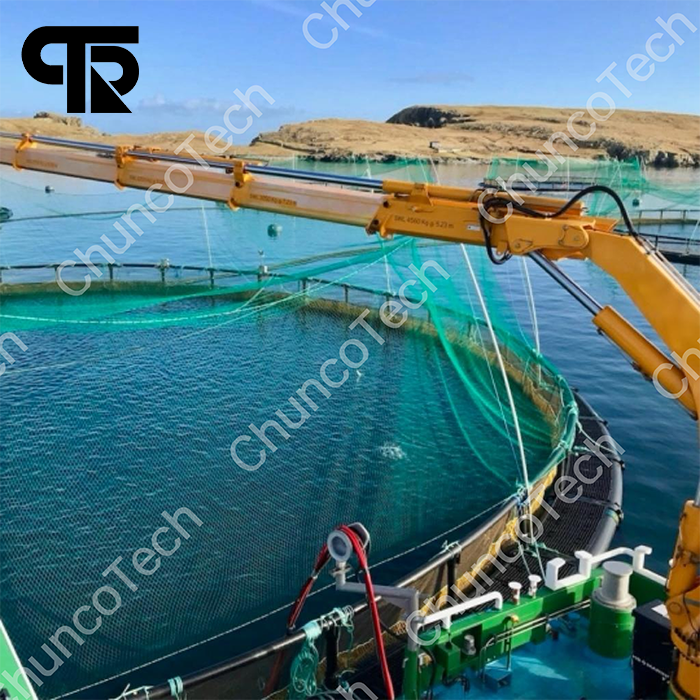 Knuckle Boom Crane